Topics
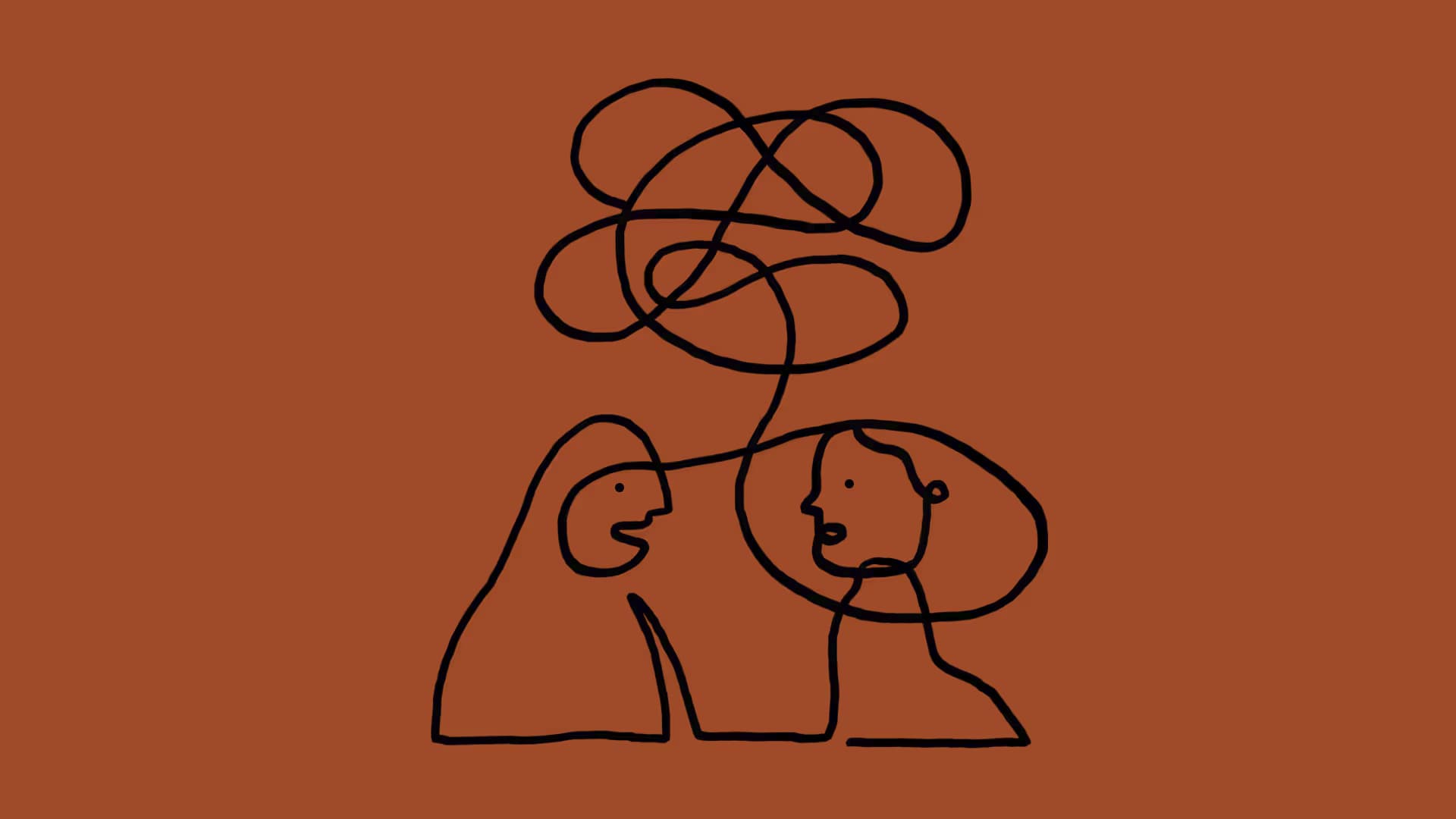
Relationships
A healthy relationship is built on mutual respect, trust, and honest communication. Learn to recognize the signs of a healthy relationship, resolve conflict constructively, and build a secure, lasting bond.
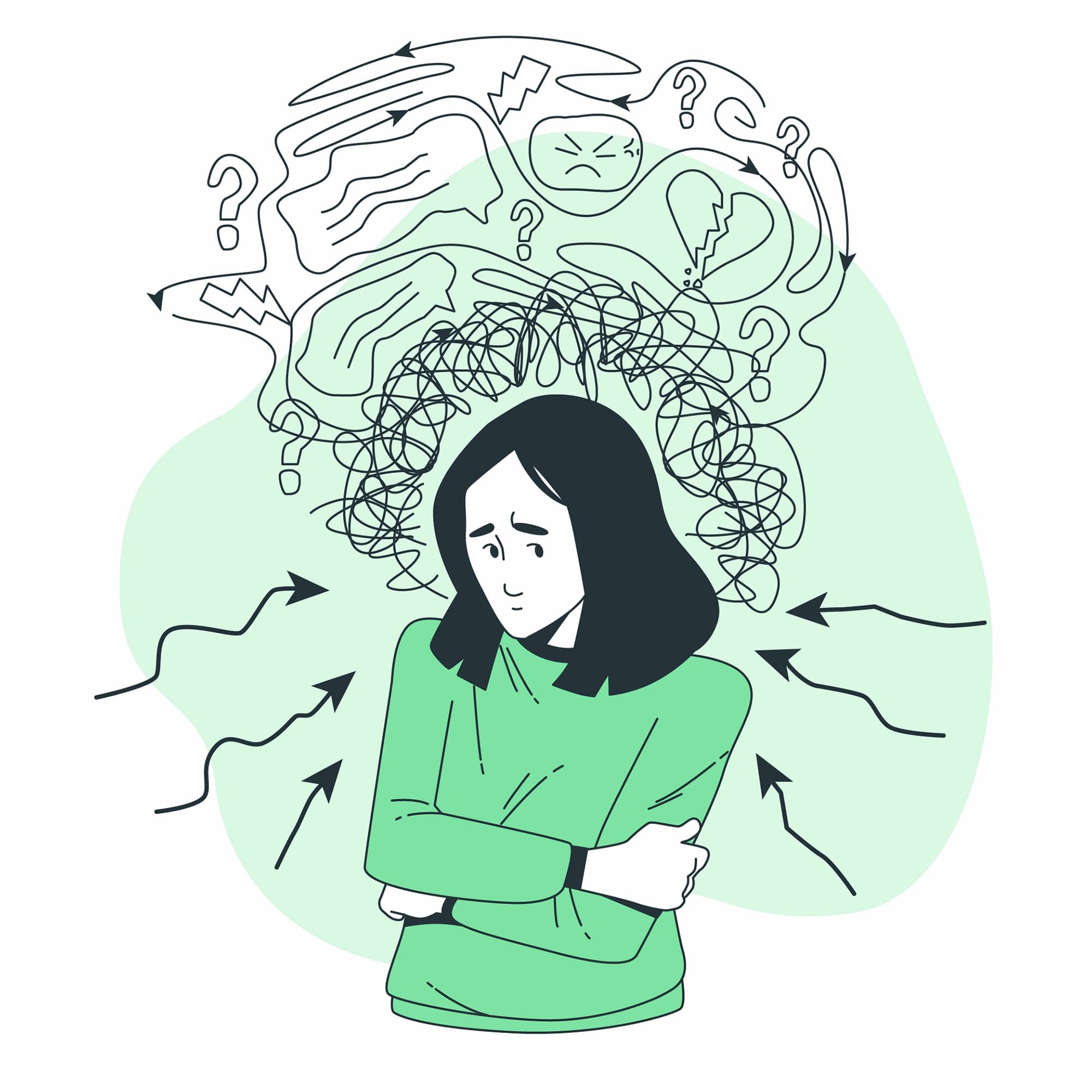
Anxiety
Anxiety is a natural stress response, but when it becomes persistent and overwhelming, it can disrupt daily life. Learn about the symptoms, types of anxiety disorders, and evidence-based treatments such as Cognitive Behavioral Therapy (CBT).

Infidelity
Infidelity isn't simply a moral failing — it often reflects unresolved conflict, unmet needs, and a search for a lost part of oneself. Understand the psychological roots of infidelity, a realistic path to rebuilding trust, and the role of couples therapy afterward.

Self-Esteem
Self-esteem is your overall attitude toward your own worth — neither arrogance nor self-doubt. Learn the signs of low self-esteem, how it differs from confidence, and evidence-based ways to strengthen it.

Conflict
Conflict in a relationship isn't a sign of failure — it's a natural, even necessary part of every close relationship. Learn the difference between constructive and destructive conflict, Gottman's approach to managing marital conflict, and practical skills for resolving disagreements without damaging intimacy.
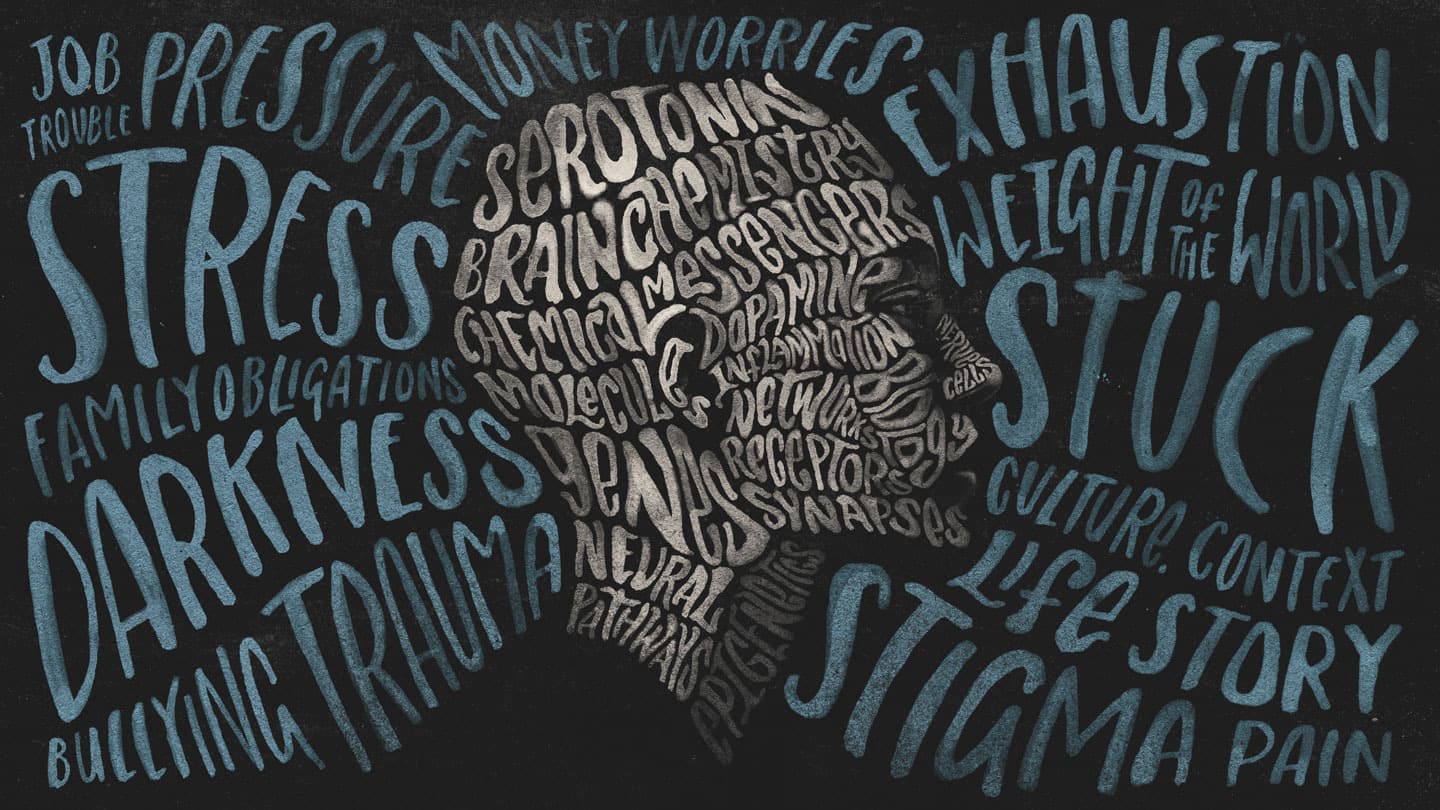
Depression
Depression is more than temporary sadness — it's a treatable clinical condition that affects mood, energy, focus, and motivation. Learn the symptoms of depression, evidence-based treatments (especially CBT), and when to see a psychologist.
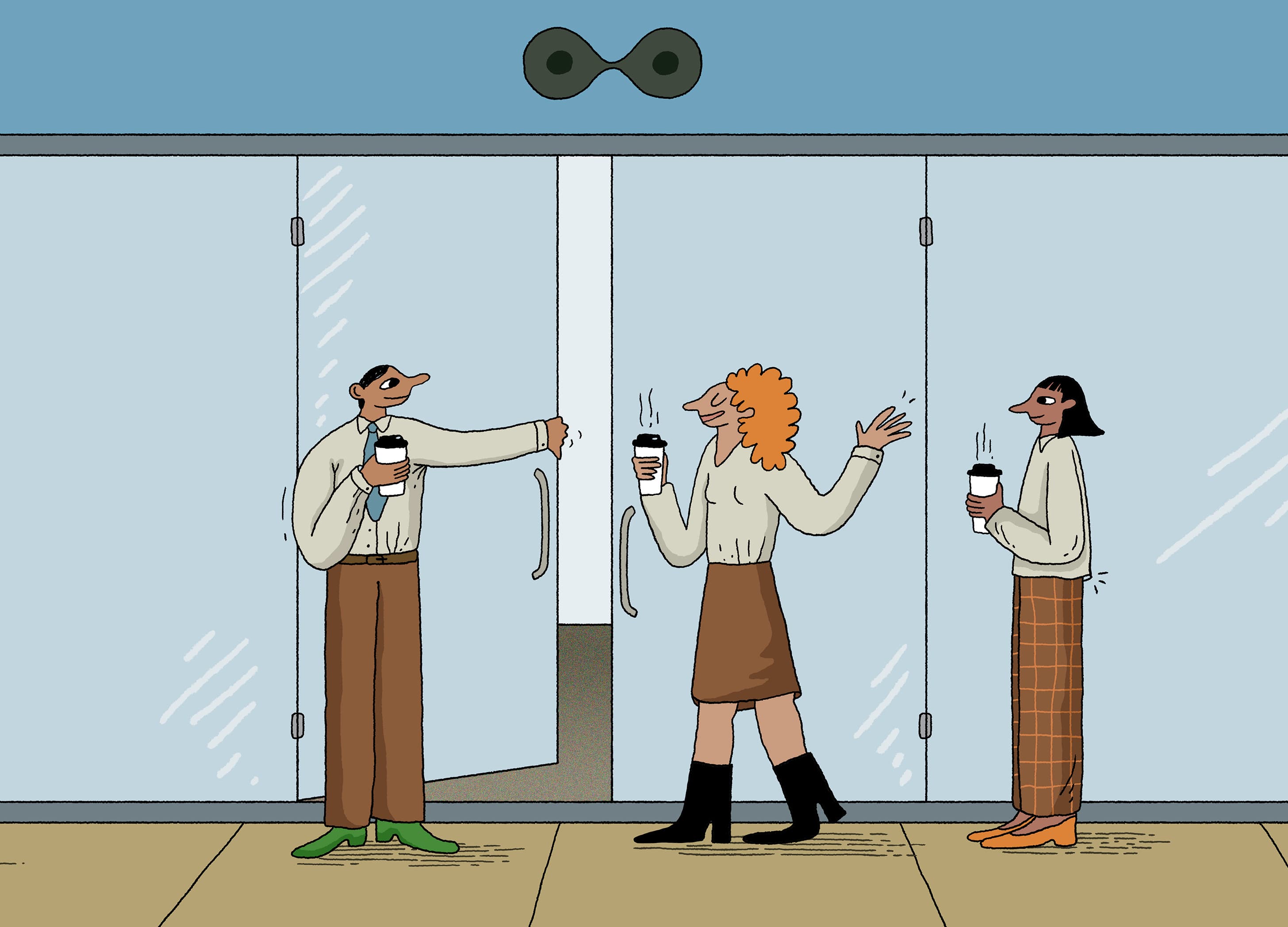
Work
The quality of your relationships — both at home and at work — shapes the quality of your life. Learn how emotional life and professional life influence each other, how family conflict affects work performance (and vice versa), and how to set healthy boundaries between work and relationships.
Stress
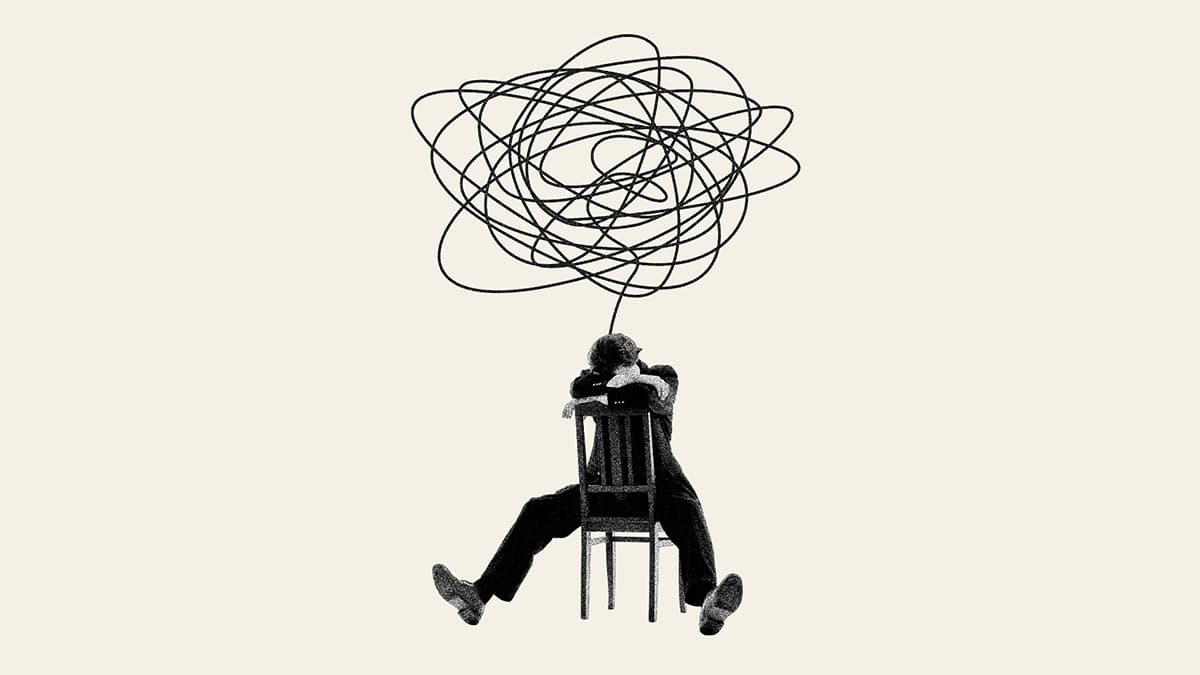
Stress is the body's natural response to external life pressures, but when it becomes chronic, it can affect both physical and mental health. Learn the difference between stress and anxiety, the signs of chronic stress, and evidence-based ways to manage it.
Risk
Lasting desire and intimacy need room for risk, novelty, and the unknown — total safety can lead to relational stagnation. Understand the paradox of needing both security and adventure in long-term relationships, and how to keep a relationship feeling alive.

Grief & Loss
Grief is a natural, human response to loss, not a disorder. Understanding the stages of grief (the Kübler-Ross model), common symptoms, and the difference between normal and complicated grief can help you move through this experience in a healthier way.
Anger Management
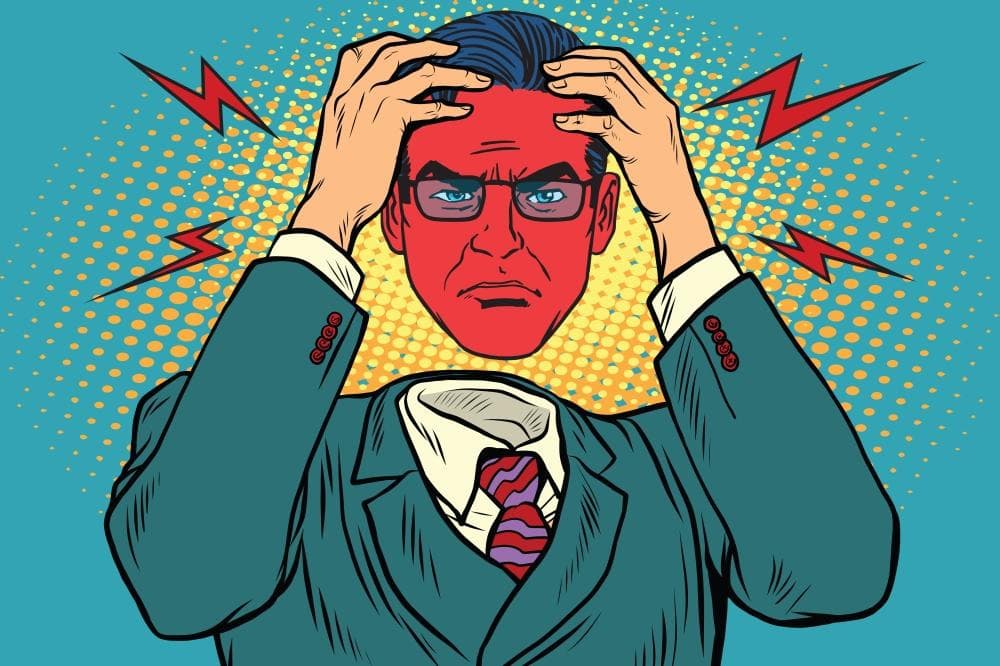
Anger is a natural, even protective emotion, but unmanaged anger can damage relationships, physical health, and careers. Learn the triggers of anger, the difference between healthy and unhealthy expressions of it, and proven psychological techniques for managing it.

Play
Playfulness, humor, and lightness with one another aren't a luxury — they're one of the core pillars of keeping desire and intimacy alive in long-term relationships. Learn the role of play, imagination, and curiosity in sustaining emotional and physical connection.
Taboo
Part of human imagination and desire naturally forms around boundaries and what's considered "forbidden." Understand the psychological role of taboo in sexual and emotional imagination, and how to talk about it in healthy ways within a safe relationship.

Early Maladaptive Schemas
Early maladaptive schemas are deep-seated thought and emotional patterns formed from unmet childhood needs that continue to shape our relationships, choices, and self-image into adulthood. Learn about Jeffrey Young's schema therapy approach.
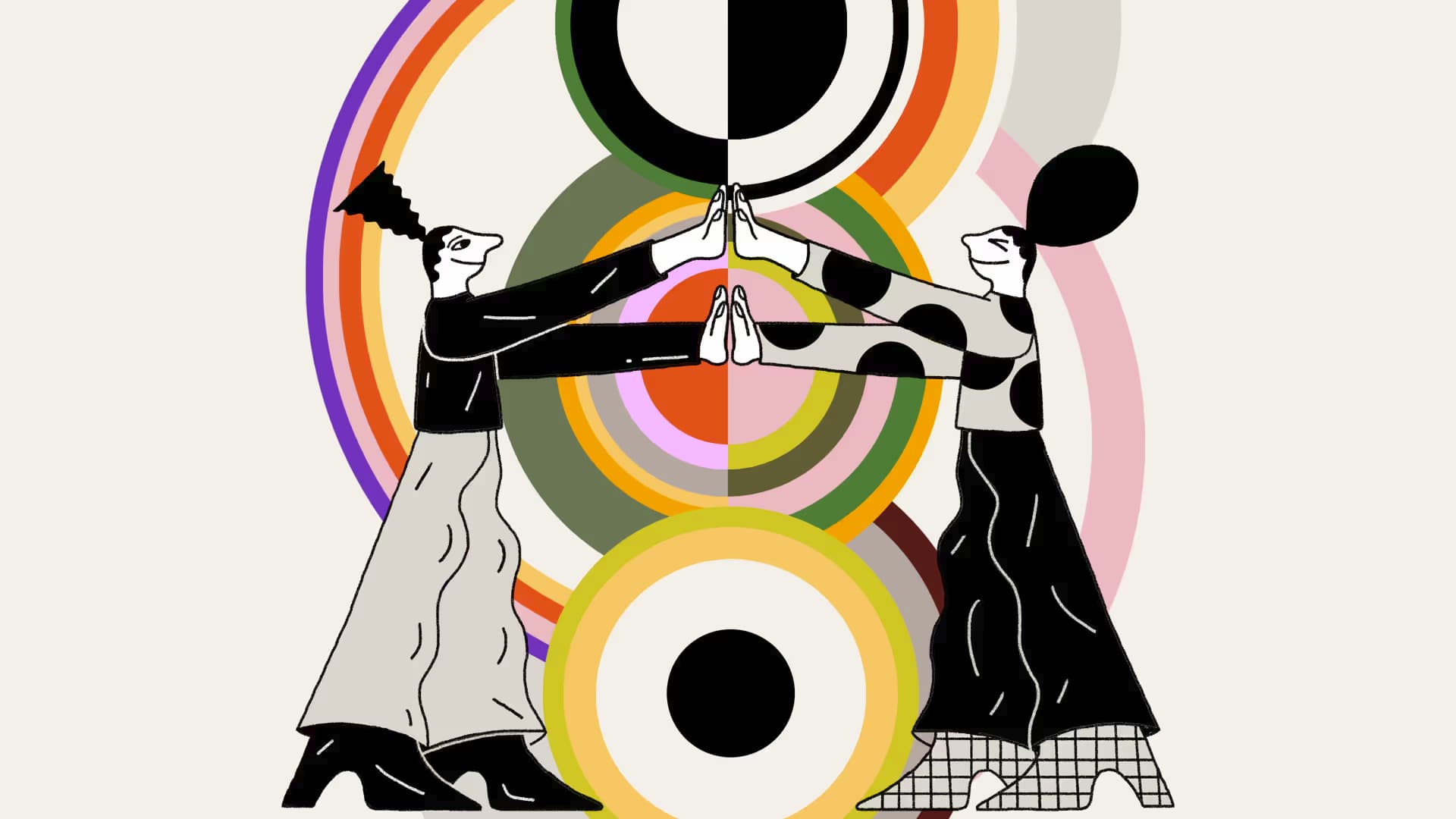
Friendship
Close, high-quality friendships are one of the strongest protective factors against depression, anxiety, and loneliness — even more so than wealth or career success. Learn the signs of healthy friendship, how it differs from toxic relationships, and why friendship matters alongside romantic partnership.
Mindfulness
Mindfulness means paying open, non-judgmental attention to the present moment. Learn what mindfulness is, how it differs from meditation, and how it can help reduce stress, anxiety, and addictive behaviors.