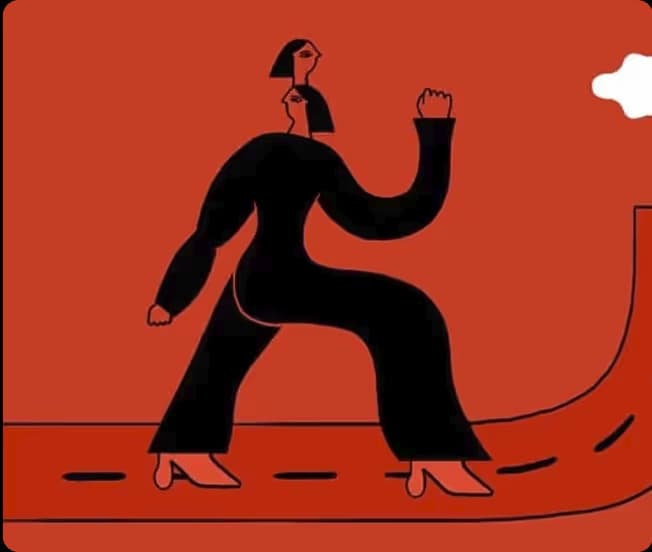
Self-Esteem
Self-esteem is your overall attitude toward your own worth — neither arrogance nor self-doubt. Learn the signs of low self-esteem, how it differs from confidence, and evidence-based ways to strengthen it.
What Is Self-Esteem?
Self-esteem refers to a person's overall attitude toward their own worth — how deserving they feel of respect, care, and success. It differs from confidence: confidence is usually tied to a specific skill or task (like public speaking), while self-esteem is a deeper, more stable sense of one's own value, independent of achievements.
Signs of Low Self-Esteem
People with low self-esteem are often highly sensitive to criticism, frequently compare themselves to others, fear judgment or failure — which leads them to avoid new opportunities — struggle to express their needs and boundaries in relationships, and engage in harsh, self-critical inner dialogue. Low self-esteem can contribute to social anxiety, depression, and unhealthy relationship patterns.
A Scientific Measure of Self-Esteem
One of the best-known research tools in this field is the Rosenberg Self-Esteem Scale, developed in the 1960s by American sociologist Morris Rosenberg. It remains widely used in psychology and psychiatry research worldwide. Using ten items, it measures a person's positive and negative feelings toward themselves, with scores below a certain threshold indicating potentially problematic low self-esteem.
How to Build Healthier Self-Esteem
Research shows that genuine self-esteem isn't built through external praise or motivational slogans alone — it's a process that requires consistent practice: identifying and challenging self-critical thoughts (a cognitive-behavioral approach), practicing self-compassion instead of perfectionism, setting and achieving small, realistic goals to build a genuine sense of competence, and learning to set healthy boundaries in relationships. Healthy self-esteem doesn't necessarily guarantee better performance, but it is strongly linked to greater resilience, psychological well-being, and healthier relationships.
When to Seek Help
If feelings of worthlessness, constant self-criticism, or painful comparisons to others occupy much of your daily thinking — or if these feelings are holding you back from decision-making, self-expression, or building healthy relationships — working with a psychologist can help uncover the roots of these patterns, often formed in childhood or adolescence, and build a healthier relationship with yourself.
If you're navigating "Self-Esteem" and would like professional support, you can book a consultation session.
Book a Consultation