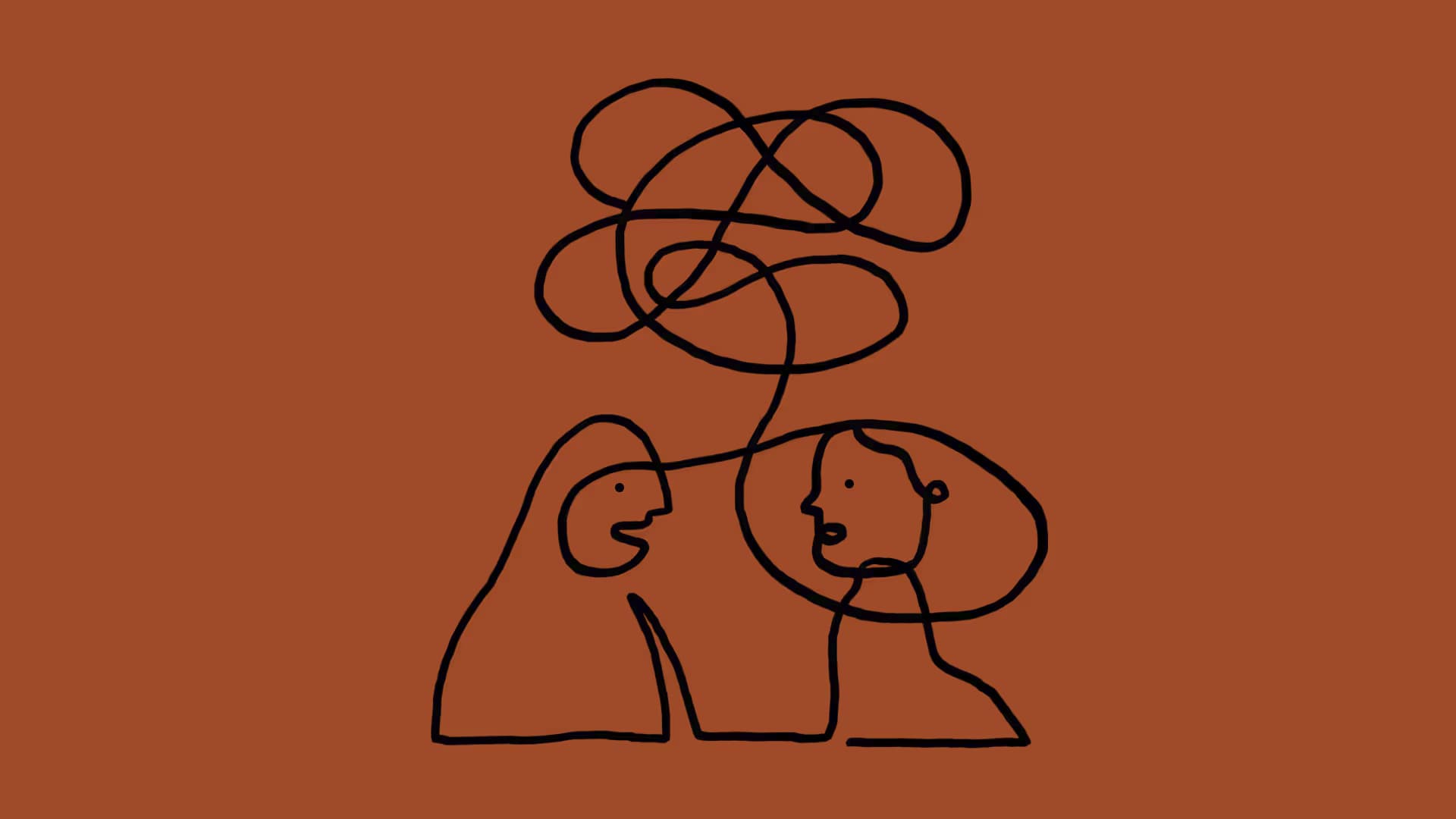
Relationships
A healthy relationship is built on mutual respect, trust, and honest communication. Learn to recognize the signs of a healthy relationship, resolve conflict constructively, and build a secure, lasting bond.
What Makes a Relationship Healthy?
A healthy relationship is one where both people feel safe, respected, and valued — able to express their thoughts, feelings, and needs without fear of judgment or punishment. Contrary to popular belief, a healthy relationship isn't the absence of disagreement; it's having the skills and emotional safety to work through conflict without harming one another.
Signs of a Healthy Relationship
Decades of research by Dr. John Gottman at the renowned "Love Lab" have identified recurring patterns in relationships that last. Healthy relationships tend to include mutual respect for boundaries and opinions, trust and honesty, emotional support during hard times, a fair division of responsibilities, and the ability to discuss difficult topics without contempt or blame. According to Gottman's Sound Relationship House theory, couples whose relationships endure maintain a ratio of at least five positive interactions for every negative one.
Warning Signs to Watch For
On the other hand, patterns such as constant criticism, contempt, chronic defensiveness, and stonewalling — what Gottman calls the "Four Horsemen" — are among the strongest predictors of relationship breakdown. Controlling behavior, excessive jealousy, repeated disrespect, or a persistent sense of insecurity are also signs that shouldn't be ignored.
The Role of Attachment Style
Many of our relational patterns trace back to the attachment style formed in early childhood. Understanding whether your attachment style is secure, anxious, or avoidant can shed light on recurring cycles in your romantic and family relationships.
When to Seek Counseling
If you notice recurring misunderstandings, emotional distance, or unresolved conflict with your partner — or find yourself repeating unhealthy patterns from past relationships — couples or individual counseling can offer a safe space to identify these patterns and build stronger communication skills. Approaches such as Acceptance and Commitment Therapy (ACT) and Cognitive Behavioral Therapy (CBT) help couples move from automatic, reactive responses toward conscious communication grounded in their shared values.
If you're navigating "Relationships" and would like professional support, you can book a consultation session.
Book a Consultation