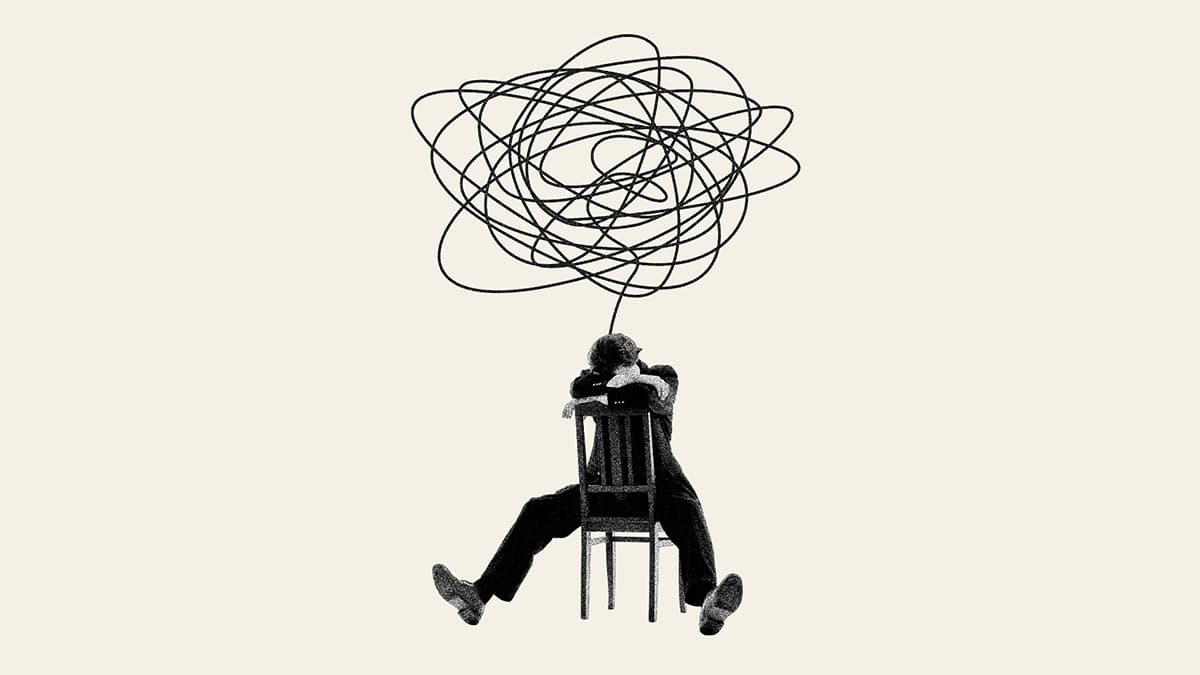
Stress
Stress is the body's natural response to external life pressures, but when it becomes chronic, it can affect both physical and mental health. Learn the difference between stress and anxiety, the signs of chronic stress, and evidence-based ways to manage it.
What Is Stress?
Stress is a natural, adaptive response to external pressures or changes in life — from a job interview to marriage, relocation, or work overload. The American Psychological Association (APA) defines psychological stress as an emotional response to an external trigger, which can be short-term or long-term.
Stress vs. Anxiety
Stress is usually a response to a specific external factor (like a work deadline), while anxiety is often a more persistent, internal state that continues even without a clear external cause. That said, chronic, unmanaged stress can itself become a pathway into anxiety.
Symptoms of Stress
Stress shows up in both body and mind: a racing heart, muscle tension, headaches, digestive issues, and sleep disturbances are common physical symptoms, while restlessness, irritability, difficulty concentrating, and a sense of being overwhelmed are common psychological ones.
Chronic Stress and Its Effects
Unlike short-term stress, which can even improve performance, chronic stress — lasting weeks or months — keeps the body's hypothalamic-pituitary-adrenal (HPA) axis continuously activated, weakening the immune system and contributing to more serious physical and mental health problems, including depression and anxiety.
Evidence-Based Ways to Manage Stress
Research shows that deep breathing and progressive muscle relaxation quickly calm the nervous system; mindfulness practice shifts attention from rumination to the present moment; and regular physical activity, adequate sleep, and supportive social connections are among the strongest protective factors against chronic stress. Approaches like Acceptance and Commitment Therapy (ACT) focus not on fighting stress, but on consciously managing one's response to it and reconnecting with personal values.
When to Seek Professional Help
If your stress has become chronic, doesn't improve with self-help strategies, or is seriously affecting your sleep, relationships, or physical health, working with a psychologist can help you identify your sources of stress and build more effective coping skills.
If you're navigating "Stress" and would like professional support, you can book a consultation session.
Book a Consultation