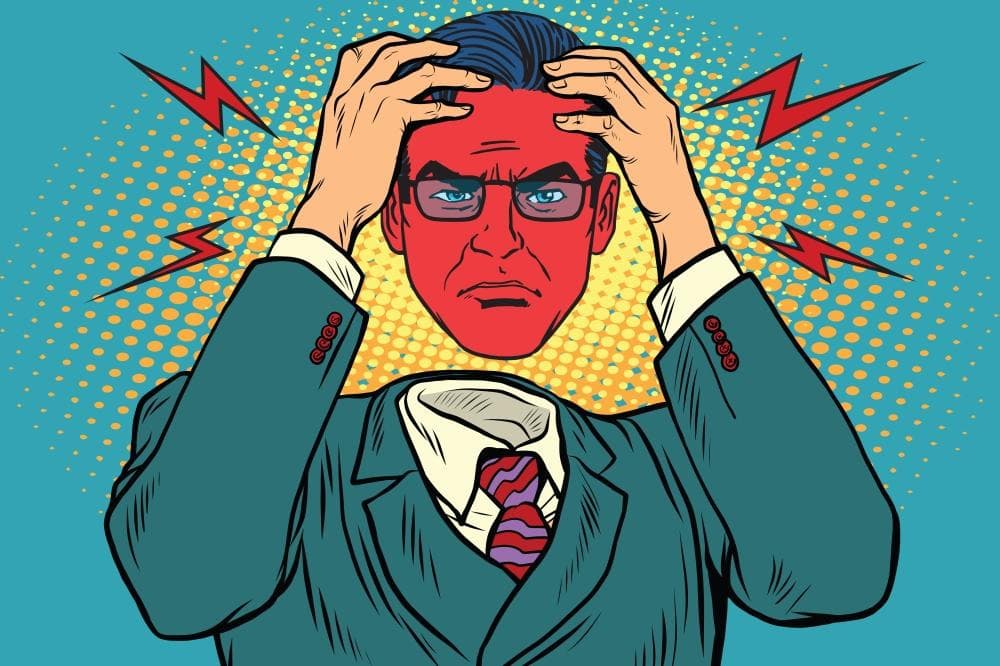
Anger Management
Anger is a natural, even protective emotion, but unmanaged anger can damage relationships, physical health, and careers. Learn the triggers of anger, the difference between healthy and unhealthy expressions of it, and proven psychological techniques for managing it.
What Is Anger?
Anger is a natural human emotion tied to the nervous system's "fight or flight" response, preparing the body to confront a perceived threat or injustice. Anger itself isn't "bad" — the problem begins when it's expressed in destructive, frequent, or uncontrolled ways.
What Does Anger Management Mean?
Anger management doesn't mean never getting angry — it means recognizing your personal triggers and expressing anger in constructive, healthy ways that don't harm yourself or others. Unmanaged anger can gradually damage romantic, family, and professional relationships, and has even been linked to physical health issues such as high blood pressure.
Recognizing Your Triggers
The first step in managing anger is identifying the specific situations, thoughts, or patterns that provoke it — such as feeling disrespected, frustrated in pursuing a goal, or misunderstood. Recognizing these triggers allows a person to respond before anger reaches its peak.
Proven Techniques
Research shows that a cognitive-behavioral approach is one of the most effective ways to improve anger management. Techniques include pausing before reacting, temporarily removing yourself from a tense situation, deep breathing and relaxation, cognitive restructuring (challenging anger-provoking interpretations of a situation), and strengthening communication skills to express needs without aggression — all methods recommended by the American Psychological Association (APA) for managing anger.
When to Seek Professional Help
If your anger repeatedly leads to verbal or physical aggression, is followed by intense regret, or is affecting your close relationships and career, working with a psychologist can help you understand the roots of your anger and practice management skills in a safe space.
If you're navigating "Anger Management" and would like professional support, you can book a consultation session.
Book a Consultation