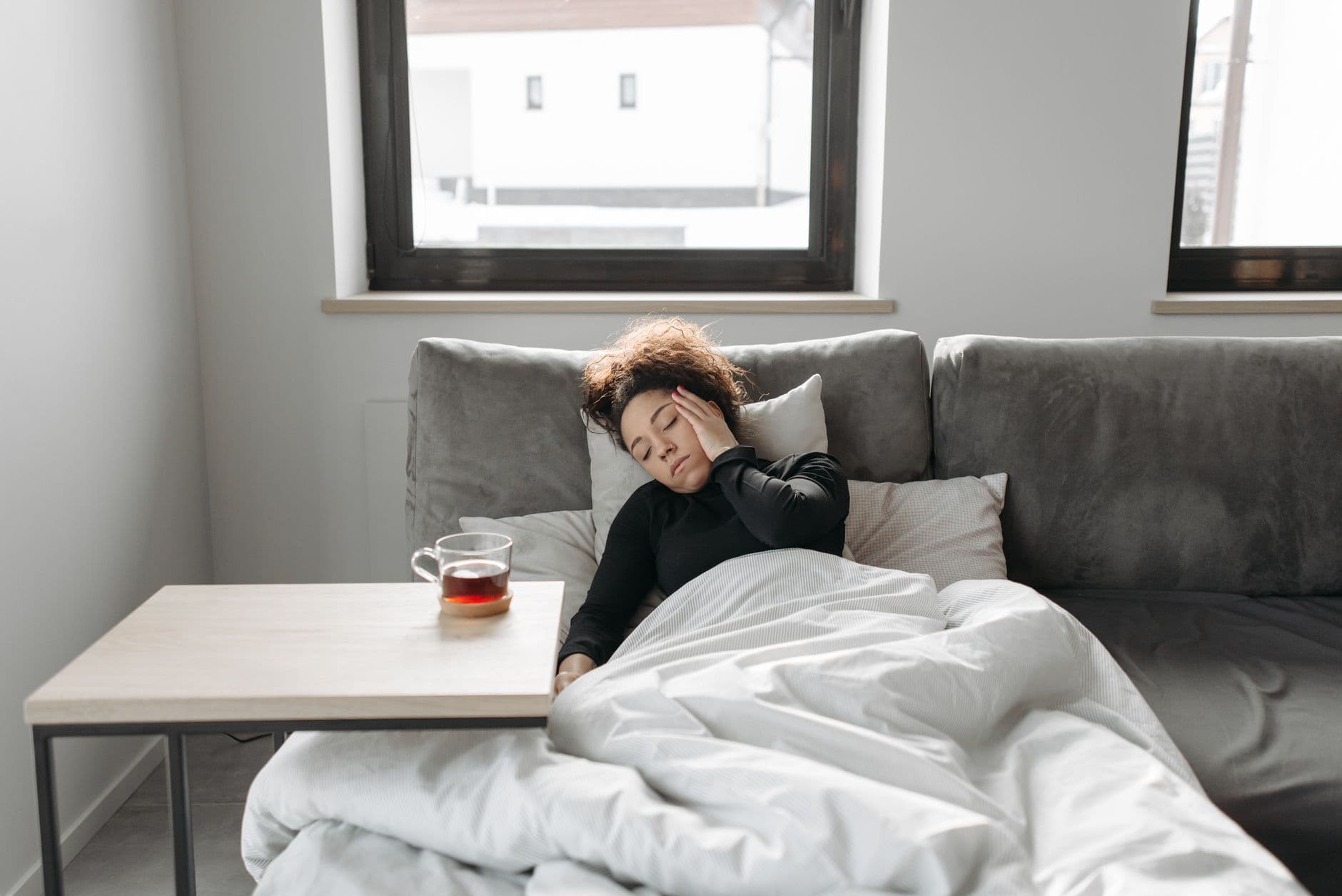
Why Physical Inflammation Quietly Dampens Pleasure and Social Motivation
Have you ever noticed how even a mild physical ailment or feeling under the weather can make social interactions feel completely exhausting? During these times, we often criticize ourselves for being unresponsive, moody, or unmotivated. However, our mind and body are in a constant, intricate dialogue that deeply influences our emotional capacity.
Recent neuroscientific research highlights that acute physical inflammation directly impacts our psychological state, dampening both our social drive and our ability to experience pleasure. From an evolutionary perspective, this biological response is remarkably functional. By encouraging us to temporarily withdraw, the immune system helps conserve precious energy needed for physiological restoration.
In Acceptance and Commitment Therapy (ACT), we emphasize recognizing and accepting physiological states rather than struggling against them or falling into self-judgment. Understanding that a sudden drop in motivation or social interest may stem from bodily inflammation allows us to quiet our inner critic. You are not failing emotionally; your system is simply asking for rest.
This insight also provides a valuable lens for distinguishing between psychological depression and temporary biological fatigue. When you notice yourself struggling to find joy in usual activities during periods of physical stress, forcing intense social engagement can lead to burnout. Instead, honor your body's request for space.
Practicing self-compassion means respecting the natural ebbs and flows of your vital energy. By giving yourself permission to pause without guilt, you support physical healing while preserving the genuine quality of your relationships for when your energy naturally returns.
This note was prepared with AI assistance, inspired by the source below, and is for general informational purposes only. It is not a diagnosis or a substitute for professional consultation — please speak with a qualified clinician about your own situation.
Source of inspiration: PsyPost