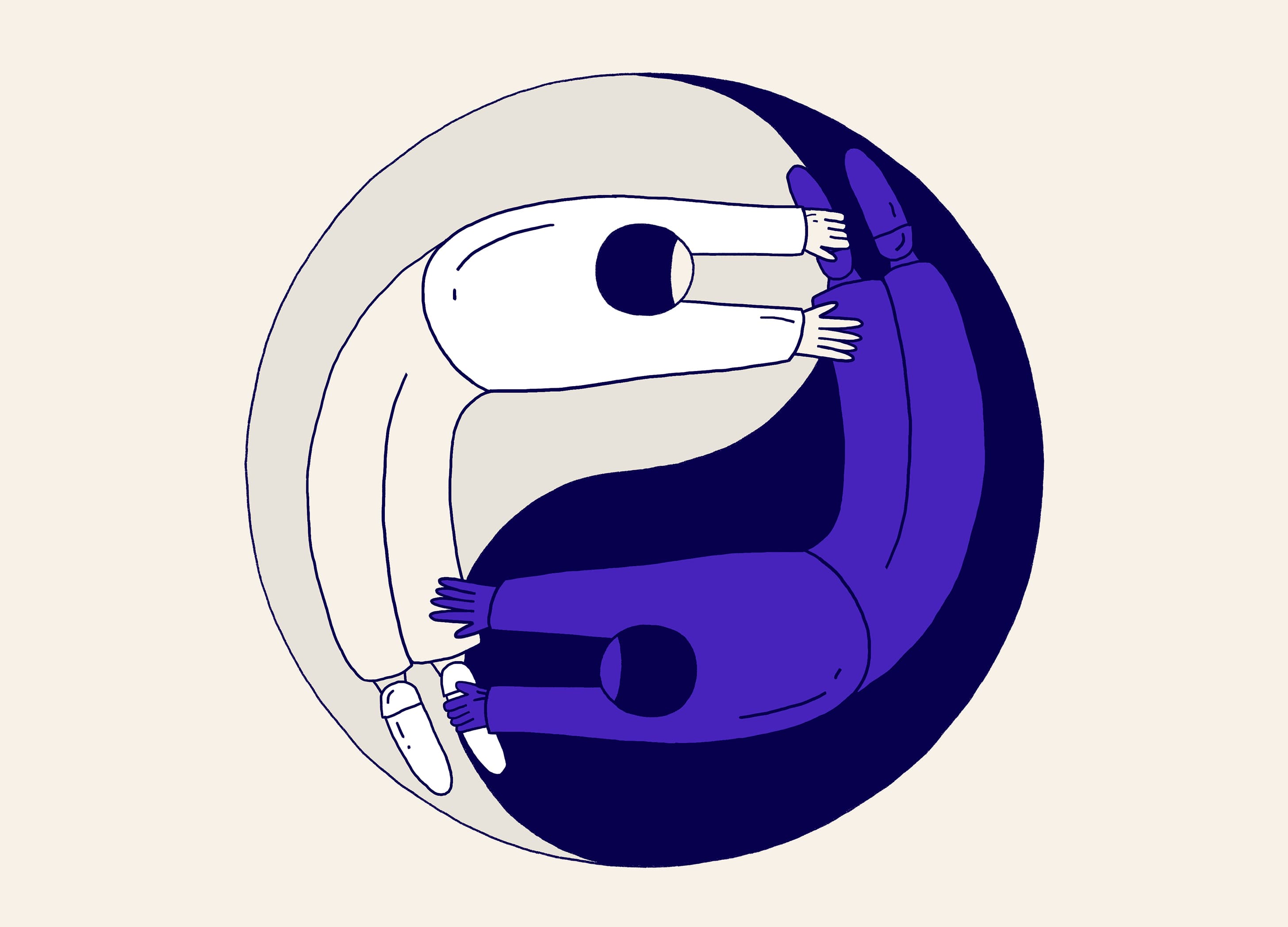
Understanding Anxiety
Introduction
Almost all of us have experienced anxiety at some point — before an interview, facing an important decision, or dealing with uncertainty about the future. But when this feeling becomes pervasive, persistent, and disabling, it stops being a natural reaction and becomes a barrier to daily life. In this article, we look at the psychological roots of anxiety and practical, evidence-based strategies for coping with it.
Where Does Anxiety Come From?
From a cognitive-behavioral (CBT) perspective, anxiety is usually the result of three interconnected factors: selective attention to threatening cues in the environment, catastrophic interpretation of ambiguous situations ("if they don't reply to my message, it means they're upset with me"), and core beliefs about being unable to cope with problems. Together, these three factors create a cycle that reinforces and sustains anxiety.
Strategy 1: Identify and Examine Anxious Thoughts
When you feel anxious, ask yourself: "What exactly went through my mind?" Then test that thought against real evidence: "What evidence supports this thought? What evidence contradicts it? What's the worst, best, and most likely outcome?" This simple exercise creates distance between you and the anxious thought.
Strategy 2: Practice Diaphragmatic Breathing
When anxiety activates, breathing becomes shallow and fast, which itself intensifies the physical symptoms of anxiety. Slow, deep breathing from the diaphragm (counting to four on the inhale, holding for four seconds, and exhaling slowly over four seconds) signals "safety" to the nervous system and reduces the physiological anxiety response.
Strategy 3: Practice Gradual Exposure Instead of Avoidance
One of the strongest factors that reinforces anxiety over time is avoidance of anxiety-provoking situations — this avoidance prevents the brain from ever learning that the situation is actually safe. Gradual, controlled exposure to worrying situations (ideally guided by a psychologist) is one of the most well-established, effective methods for reducing anxiety long-term.
Strategy 4: Schedule Your Worry Time
Instead of trying to "not think" about worries (which usually backfires), set aside a specific 15-minute "worry time" each day. When a worry shows up during the day, jot it down to address during that designated time. This technique gradually gives you more control over intrusive worries.
Strategy 5: Build a Lifestyle That Supports Emotional Regulation
Adequate, regular sleep, physical activity, reduced caffeine intake, and supportive social connections all increase the nervous system's capacity to manage anxiety. These factors alone won't "cure" anxiety, but they create conditions in which other techniques work more effectively.
When to Seek Professional Help
If your anxiety continues to disrupt your daily life, work, or relationships despite these strategies, or is accompanied by panic attacks, it's time to see a clinical psychologist. Cognitive behavioral therapy remains one of the most effective, well-evidenced treatments for anxiety in both children and adults.